


Arizona Pest Solutions
Get Estimate

Pest control in Congress, AZ for Desert Homes

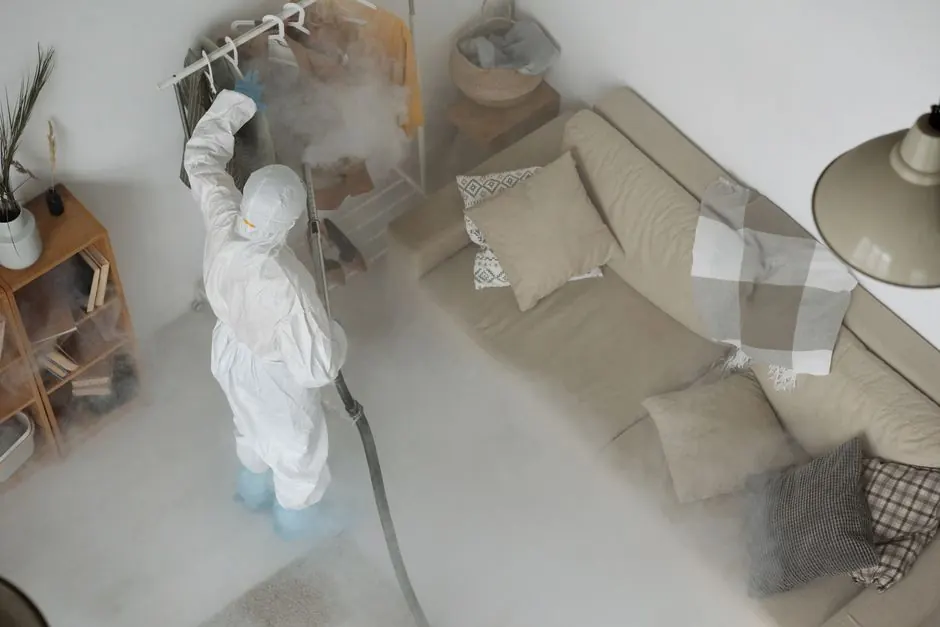
pest control in Congress means stopping desert pests before they get inside your walls. We run bait stations, glue boards and exclusion mesh through Congress and the surrounding Maricopa County desert, treating scorpions, termites, roof rats and ant trails that follow the heat. Our techs know the caliche soil, the block-wall construction and the monsoon calendar here. One call, and we inspect, treat and seal the same week.

Call 877-729-2528 Book Inspection
Emergency response Google rating Jobs completed
Licensed Licensed & Bonded
Fully Insured Insured & Bonded
24/7 Emergency Same-Day Response
Warranty Backed Workmanship Guaranteed in Congress
Congress

pest control in Congress built for desert living


Congress is a small high-desert community in Maricopa County where the housing stock runs from older manufactured homes to newer stucco builds on acre lots. That mix matters for pest control in Congress. Scorpions hide in block walls and woodpiles. Roof rats run power lines into attics. Termites work the irrigation lines and the damp soil around foundations. We treat all of it with the same approach: inspect first, identify the species, then build a plan around bait stations, glue boards, snap traps and exclusion mesh. Our technicians hold Arizona Structural Pest Control licenses and carry EPA Certified Applicator credentials, so the rodenticides, termiticides and insecticides we use are legal, labeled and applied at the right rate for this climate. We are not a franchise routing calls out of state. We work Congress and the surrounding desert communities every week, and we know which streets flood in monsoon season and which lots back up to open desert.

  • Locally licensed and insured in Congress
  • Same-day diagnostics and written estimates
  • Real workmanship warranty in writing
  • Background-checked, in-house technicians

Pest control services available in Congress

Pest pressure in Congress runs on the desert calendar, not the suburban one. Spring brings ant trails and bee swarms. Summer brings scorpions, mosquitoes and roof rats. Fall pushes rodents and spiders indoors. Winter keeps termites working in the warm soil. If you are searching for the right pest control company in Congress, start with an inspection, then match the treatment to the species. We run all of the services below on this route.

General Pest Control

General Pest Control

Our general pest plan for Congress homes covers scorpions, ants, spiders, crickets and cockroaches on a recurring schedule. We treat the exterior perimeter with residual insecticide, set glue boards in garages and utility rooms, and knock down webs and egg cases. Most Congress properties run quarterly because the desert never really stops producing pests.

View Details
Termite Control

Termite Control

Subterranean termites stay active in the irrigated soil around Congress foundations almost year-round. We inspect with termite detection devices and thermal imaging cameras, then treat with a labeled termiticide barrier or bait system depending on the build. Stucco homes on slab get one approach, manufactured homes on piers get another.

View Details
Rodent Control

Rodent Control

Roof rats and pack rats move into Congress attics and garages when the desert cools. We seal entry points with exclusion mesh, steel wool and copper mesh, then set snap traps and bait stations in secured locations. We check the roof line, the AC chase and the garage corners where rodents actually travel.

View Details
Bed Bug Treatment

Bed Bug Treatment

Bed bugs travel into Congress homes on luggage, secondhand furniture and guest visits. We inspect mattresses, box springs and baseboards with inspection mirrors, confirm the species, then treat with a combination of insecticide and steam. Follow-up visits at 14 and 30 days confirm the knockdown before we close the job.

View Details
Cockroach Control

Cockroach Control

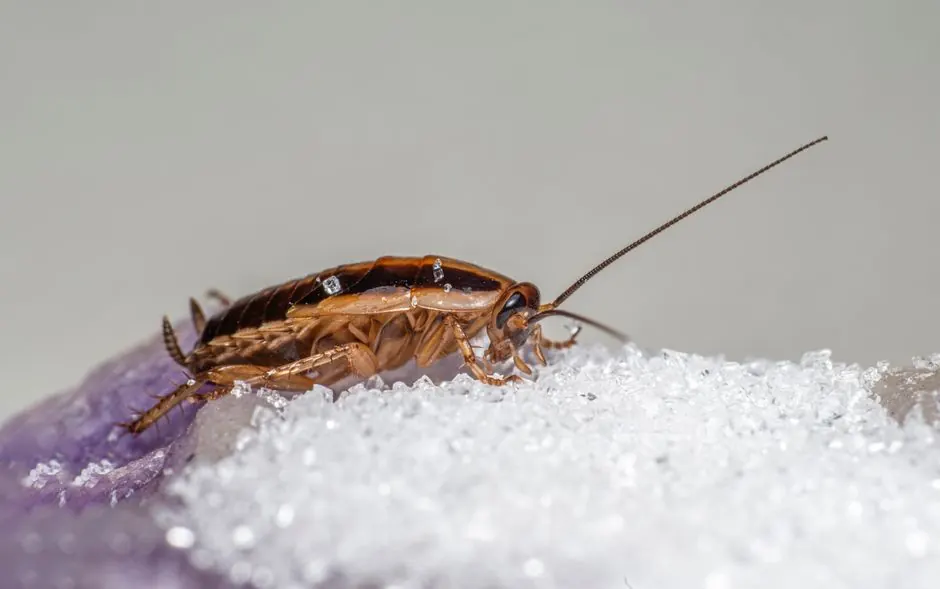
Congress sees both German cockroaches in kitchens and American cockroaches coming up from drains and sewer lines. We use gel bait, bait stations and insect growth regulators rather than fogging the whole house. The goal is to break the breeding cycle, not just kill what is visible on the counter at night.

View Details
Ant Control

Ant Control

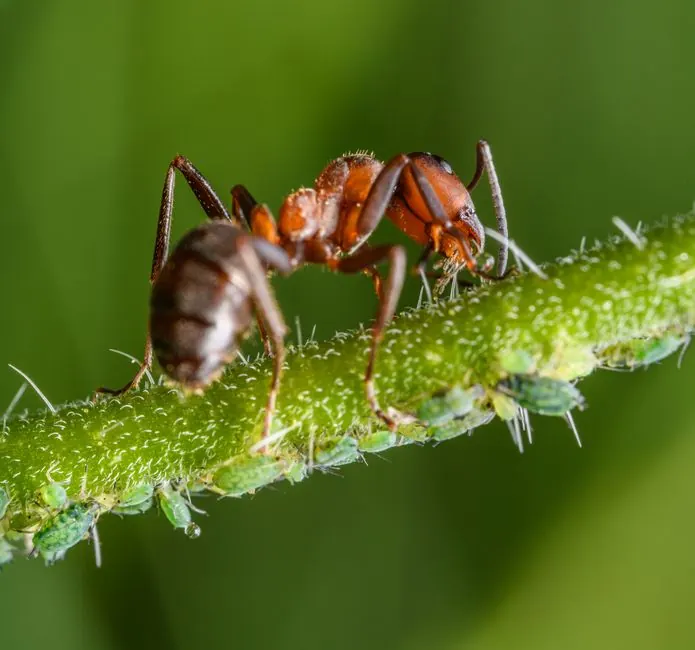
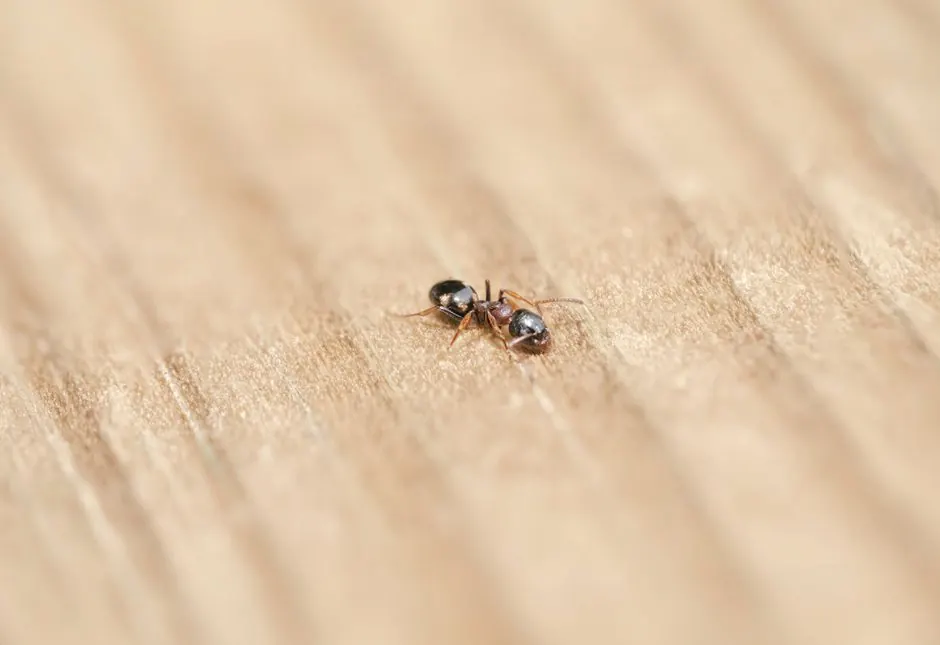
Ant trails in Congress usually mean harvester ants, fire ants or Argentine ants working a food or water source. We follow the trail back to the colony, then treat with non-repellent insecticide and bait so the foragers carry it in. Spraying the visible line alone just splits the colony and makes the problem worse.

View Details
Spider Control

Spider Control

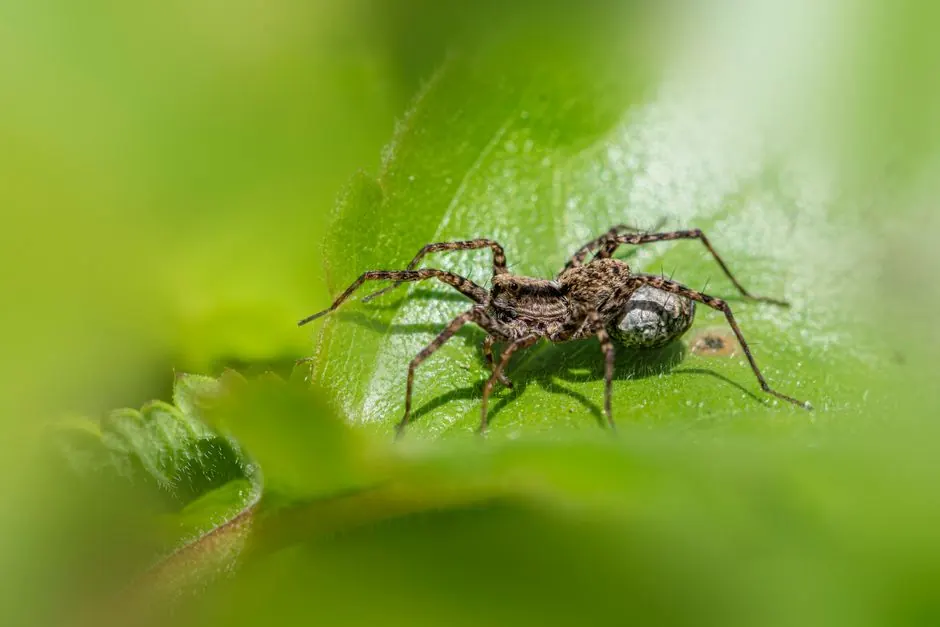
Black widows and desert brown spiders are common around Congress garages, woodpiles and block walls. We knock down webs, treat the harborage points with residual insecticide, and remove the debris and clutter that gives them cover. Most customers see a sharp drop within two weeks of the first service.

View Details
Mosquito Control

Mosquito Control

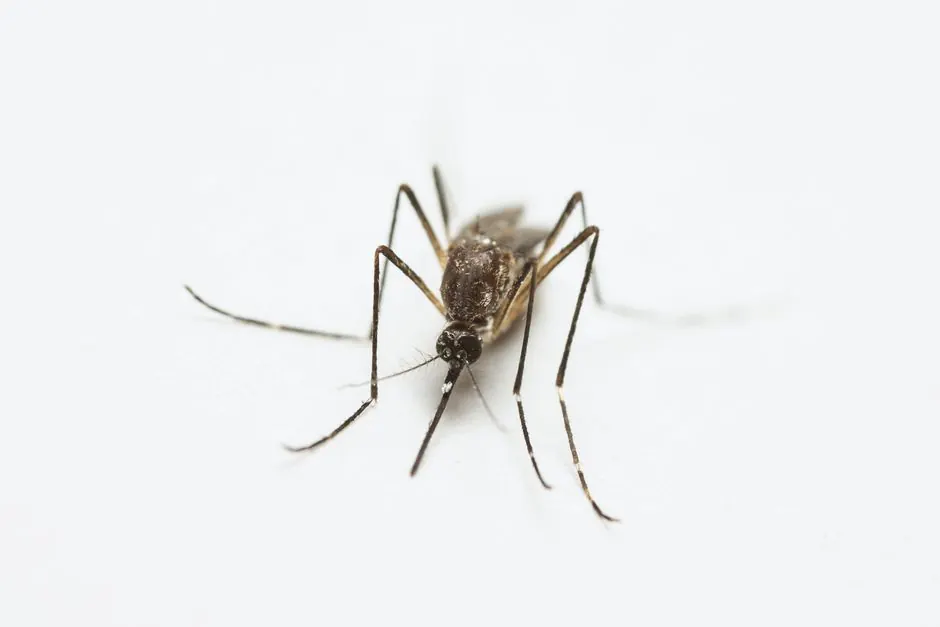
Monsoon season turns standing water in Congress into mosquito breeding sites fast. We treat the resting areas, the shaded eaves and the water features customers cannot drain, then repeat through the wet months. The service targets adults and larvae so the population does not rebound between visits.

View Details
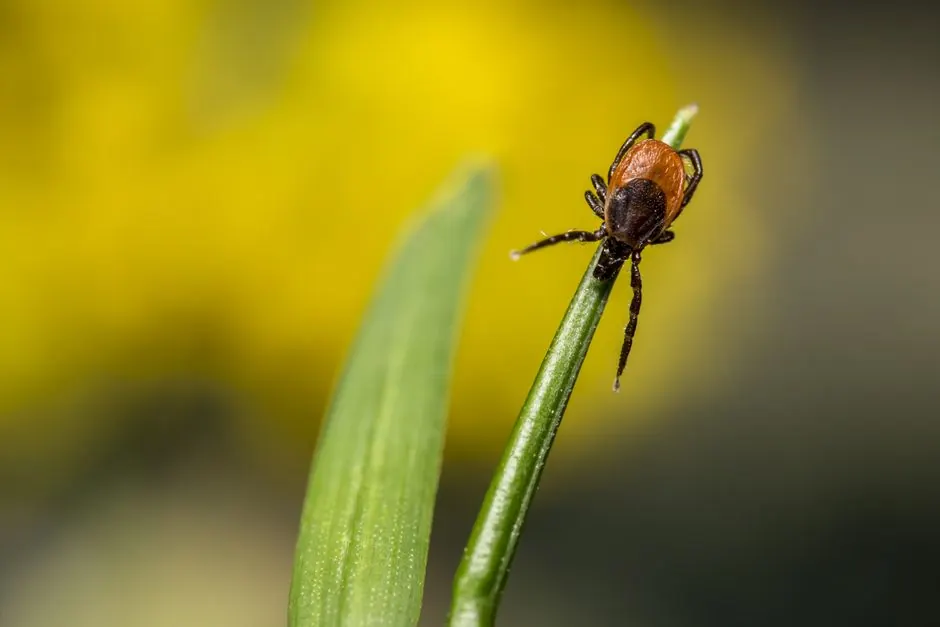
Flea and Tick Control

Flea and Tick Control

Fleas and ticks in Congress come in on dogs, cats and wildlife that cross the yard. We treat the yard perimeter, the pet resting areas and the shaded soil where larvae develop, then coordinate with your vet on the pet side. Two treatments three weeks apart usually break the cycle.

View Details
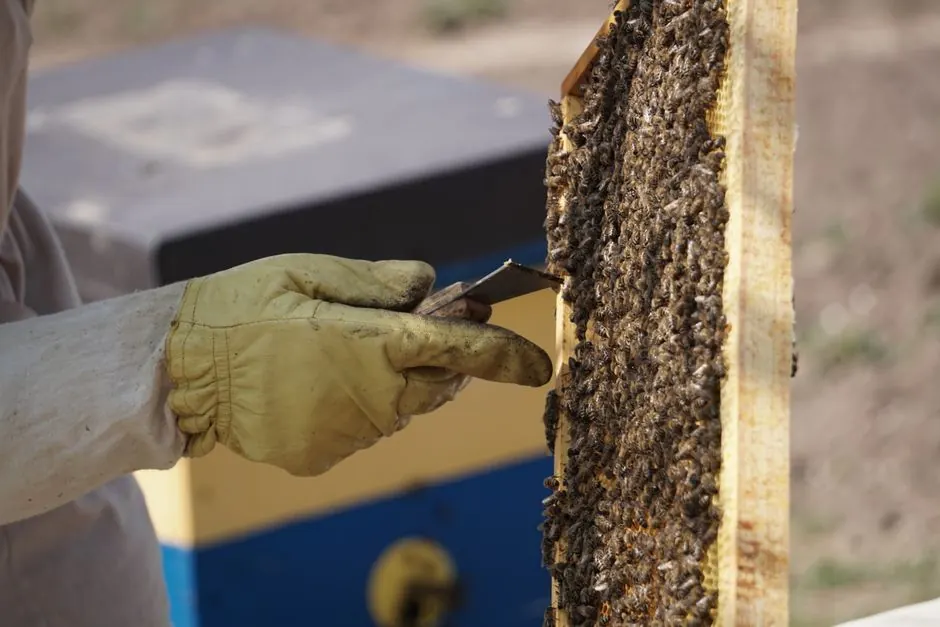
Bee and Wasp Removal

Bee and Wasp Removal

Bee swarms and wasp nests show up on Congress eaves, sheds and block walls every spring. We identify the species first, because honey bees and paper wasps need different handling. Where relocation is possible we relocate; where it is not, we remove the nest and treat the entry point so it does not rebuild.

View Details
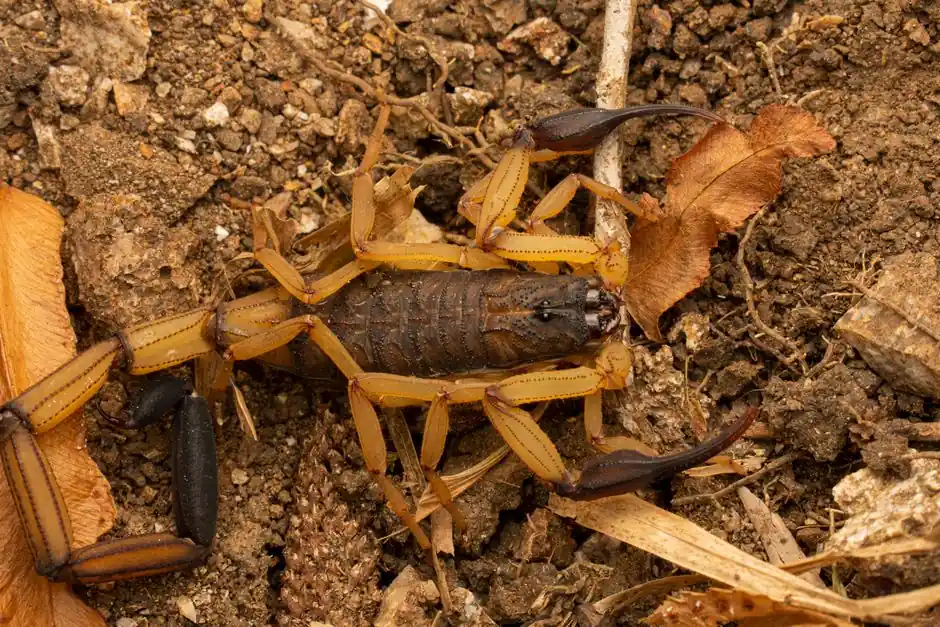
Scorpion Control

Scorpion Control

Scorpions are the number one fear for Congress homeowners, and for good reason. We treat the block walls, the weep holes, the garage corners and the landscaping rock where they hide during the day. A blacklight inspection after dark shows us exactly where they are moving before we treat.

View Details
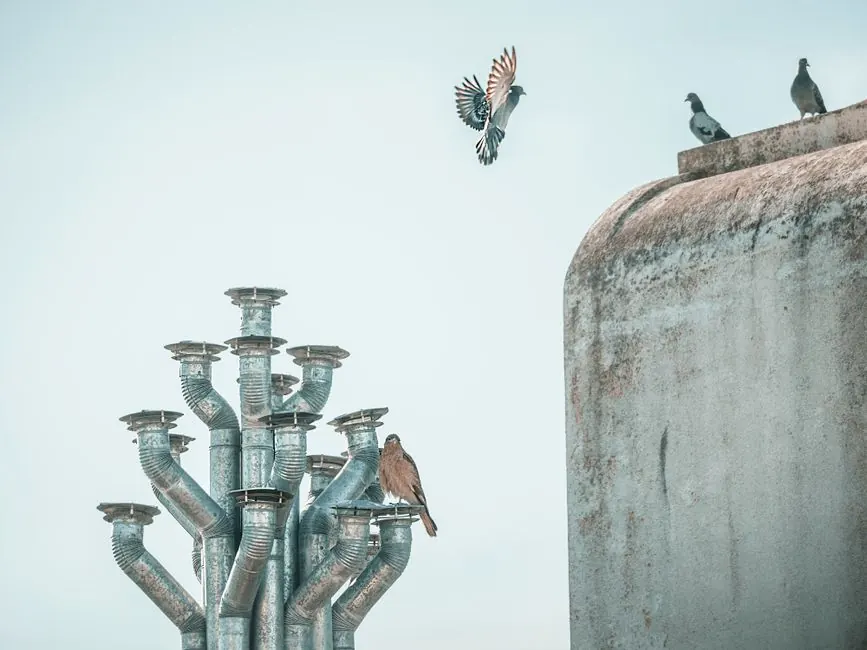
Pigeon and Bird Control

Pigeon and Bird Control

Pigeons and other birds roost on Congress commercial roofs, carports and signage. We install exclusion mesh, spikes and netting to move them off the structure, then clean and treat the droppings so the area is safe to use again. The work is scheduled around your business hours.

View Details
Bat Removal

Bat Removal

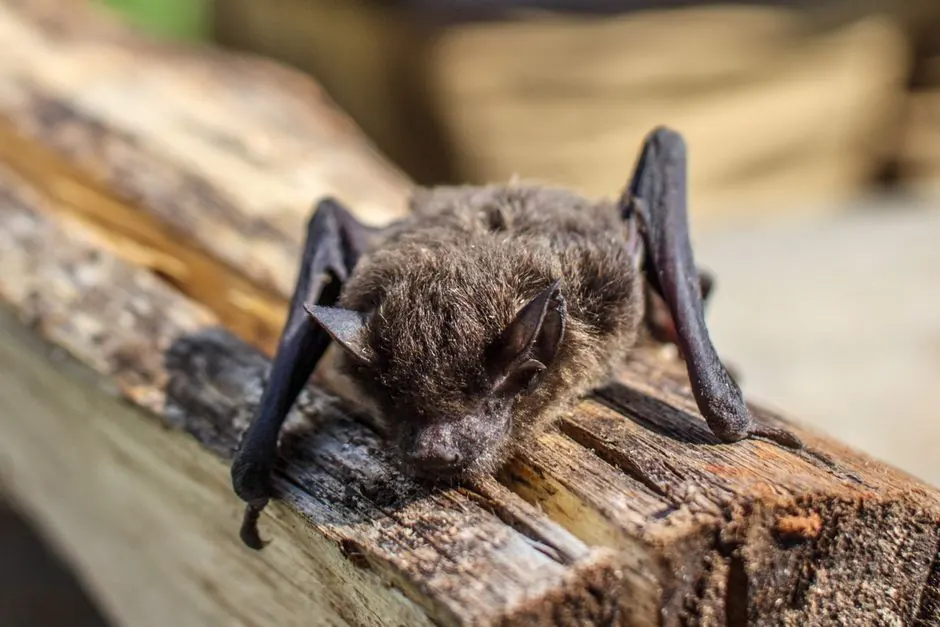
Bats roost in Congress attics, eaves and outbuildings, especially near the desert edge. We inspect for entry points, confirm the species, then perform exclusion once the bats have left for the night. Sealing the entry after exclusion keeps the colony from returning to the same roost.

View Details
Wildlife Removal

Wildlife Removal

Skunks, raccoons, ground squirrels and snakes all move through Congress properties. We identify the animal, remove it humanely where the law allows, then seal the entry and clean the area. Wildlife work is scheduled quickly because the damage compounds the longer an animal stays.

View Details
Pest Exclusion Services

Pest Exclusion Services

Exclusion is the long game in Congress. We seal gaps with caulk and sealants, screen vents with exclusion mesh, pack plumbing penetrations with copper mesh and steel wool, and close the weep holes scorpions use. Done right, exclusion cuts your recurring pest pressure dramatically.

View Details
Pest Inspections

Pest Inspections

Every Congress job starts with a full inspection: attic, crawlspace, garage, perimeter, landscaping and utility penetrations. We use inspection mirrors, flashlights and thermal imaging cameras where needed. You get a written report of what we found and what it will take to fix it, before any treatment starts.

View Details
Commercial Pest Control

Commercial Pest Control

Congress businesses need pest control that holds up to health inspections and does not disrupt operations. We service restaurants, retail, offices and storage yards on a scheduled program with documented service reports. Treatments run before opening or after close so your customers never see the work.

View Details
Residential Pest Control

Residential Pest Control

Most Congress homes sit on acre lots with desert on at least one side, which means constant pest pressure. Our residential program covers the interior, exterior, garage and yard perimeter on a recurring schedule. We treat the whole property, not just the kitchen where you saw the bug.

View Details
Emergency Pest Control

Emergency Pest Control

Scorpion in the bedroom, wasp nest at the front door, rodent in the pantry: some Congress calls cannot wait for the next scheduled visit. We run emergency service for stings, swarms and active infestations, and we answer the phone 24/7. Same-day arrival is the goal on every emergency call.

View Details
Eco-Friendly Pest Control

Eco-Friendly Pest Control

Customers in Congress who want lower-toxicity options get them. We use diatomaceous earth, boric acid, pheromone traps and targeted baiting instead of broad sprays where the situation allows. The result is still a treated property, just with a lighter footprint around kids, pets and gardens.

View Details
General Pest Control in Congress
Service ยท #1

General Pest Control in Congress


For dependable general pest control in Congress, Arizona Pest Solutions handles the ants, spiders, scorpions, and crickets common to this high-desert community. Congress sits along Highway 89 near the Weaver Mountains, where warm days and cool nights push pests indoors. Our quarterly perimeter treatments protect homes, cabins, and small businesses from seasonal invaders. We know local building styles and tailor every visit to your property.

Desert Pest Pressures

Congress properties face ants, spiders, scorpions, and earwigs drawn to irrigation and shade. Our general pest control in Congress targets these desert pests with residual barriers around foundations, eaves, and entry points. We time treatments to monsoon and spring activity so your home stays protected when pests are most active.

Local Home Styles

Many Congress homes mix stucco, brick, and wood-frame construction with crawlspaces or slab foundations. Each style creates different pest entry points. We inspect weep screeds, utility penetrations, and garage thresholds, then apply targeted treatments that fit your home's build and reduce recurring pest activity.

Seasonal Treatment Timing

Pest pressure in Congress peaks from spring through monsoon season. Our recurring general pest control visits adjust to these cycles, refreshing exterior barriers and monitoring interior hotspots. This proactive schedule keeps ants, spiders, and scorpions from establishing colonies between services.

  • Quarterly exterior barrier treatments around foundations, eaves, and entry points
  • Interior spot treatments for ants, spiders, crickets, and scorpions
  • Seasonal monitoring timed to monsoon and spring pest activity
  • Free re-service between visits if pests return

Termite Control in Congress


Termite control in Congress protects homes from subterranean and drywood termites that thrive in Arizona's warm soil and wood structures. Congress properties near the Weaver Mountains often feature wood decks, sheds, and crawlspaces vulnerable to infestation. Our inspections and treatments stop colonies before structural damage spreads. We use proven termiticides and bait systems suited to local conditions.

  1. 01

    Subterranean Termite Threats

    Subterranean termites in Congress travel through soil to reach wood foundations and decks. We install bait stations and liquid barriers around your home's perimeter, creating a continuous treated zone. This approach eliminates active colonies and prevents new ones from tunneling into your structure.

  2. 02

    Drywood Termite Detection

    Drywood termites infest exposed wood in Congress attics, eaves, and outbuildings without soil contact. Our inspectors check for frass, kick-out holes, and damaged timbers. When found, we apply localized treatments or fumigation options to eliminate the colony and protect surrounding wood.

  3. 03

    Preventive Termite Barriers

    New and existing Congress homes benefit from preventive termite barriers. We treat soil during construction or retrofit existing structures with liquid termiticides and bait monitoring. These barriers keep termites from reaching your home and are backed by renewable warranties for ongoing protection.

  • Full subterranean and drywood termite inspections with moisture readings
  • Liquid soil barrier applications around foundations and crawlspaces
  • Bait station installation and monitoring for colony elimination
  • Renewable termite warranties with annual re-inspection
Termite Control in Congress

02 / 20

Service

5+ YEARS ยท CONGRESS

Rodent Control in Congress

Rodent control in Congress addresses pack rats, mice, and roof rats that invade homes, garages, and outbuildings. The rural desert setting near Congress offers abundant shelter and food, making rodent pressure year-round. Our team seals entry points, removes nesting sites, and sets strategic traps. We focus on lasting exclusion so rodents stay out after treatment.

Desert Rodent Species

Congress sees pack rats, house mice, and roof rats. Pack rats gather shiny objects and build nests in attics and vehicles. Roof rats travel utility lines and rooflines. We identify the species present, then tailor trapping and exclusion to each rodent's behavior and habitat.

Entry Point Sealing

Rodents enter Congress homes through gaps around pipes, vents, garage doors, and rooflines. We inspect these areas and seal openings with rodent-resistant materials. This exclusion work stops new rodents from entering and complements interior trapping for active infestations.

Attic and Crawlspace Cleanup

Rodent activity in Congress attics and crawlspaces leaves droppings, urine, and nesting debris. We remove contaminated insulation and sanitize affected areas. This cleanup reduces health risks and eliminates pheromone trails that attract new rodents to the same spaces.

  • Inspection and identification of pack rats, mice, and roof rats
  • Sealing of entry points around pipes, vents, and rooflines
  • Strategic trap placement in attics, garages, and crawlspaces
  • Sanitation and debris removal from nesting areas
Bed Bug Treatment in Congress

Bed Bug Treatment in Congress


Bed bug treatment in Congress helps homeowners and renters eliminate infestations that spread through mattresses, furniture, and clothing. The close quarters of many Congress homes and seasonal rentals create ideal conditions for bed bugs. Our technicians use targeted heat and chemical treatments to kill bugs at every life stage. We also provide preparation guidance to ensure success.

Heat treatments for bedrooms, furniture, and living areas

Promise

“Heat treatments raise room temperatures to levels that kill bed bugs and their eggs in a single visit. For Congress homes, we use portable heaters and monitors to treat bedrooms, living areas, and furniture. This methโ€ฆ”

โ€” Congress customer
Heat Treatment Process +

Heat treatments raise room temperatures to levels that kill bed bugs and their eggs in a single visit. For Congress homes, we use portable heaters and monitors to treat bedrooms, living areas, and furniture. This method penetrates cracks and fabrics where chemicals alone may miss.

Targeted Chemical Applications +

When heat is not practical, we apply residual and contact insecticides to bed bug harborages in Congress homes. Treatments focus on mattress seams, bed frames, baseboards, and outlet plates. Follow-up visits confirm elimination and address any newly hatched bugs.

Preparation and Follow-Up +

Successful bed bug treatment in Congress starts with proper preparation. We provide a checklist for laundering, decluttering, and isolating items. After treatment, we schedule follow-up inspections to verify results and recommend prevention steps for multi-unit or rental properties.

  • Heat treatments for bedrooms, furniture, and living areas
  • Targeted insecticide applications to seams, frames, and baseboards
  • Detailed preparation checklists for residents and landlords
  • Follow-up inspections to confirm complete bed bug elimination
Cockroach Control in Congress
Service ยท #5

Cockroach Control in Congress


Cockroach control in Congress targets German and American roaches that thrive in kitchens, bathrooms, and utility areas. Warm indoor temperatures and available moisture allow roaches to multiply quickly in Congress homes. Our treatments combine baiting, growth regulators, and exclusion to break the breeding cycle. We also address sanitation issues that attract roaches.

German Roach Infestations

German cockroaches in Congress concentrate in kitchens and bathrooms, hiding in cabinets, appliances, and plumbing voids. We apply gel baits and insect growth regulators to reduce populations and prevent reproduction. Multiple visits ensure nymphs and adults are eliminated.

American Roach Control

American cockroaches enter Congress homes from sewers, drains, and outdoor debris. These large roaches prefer damp areas like crawlspaces and utility rooms. We treat entry points and harborage sites with residual products and recommend moisture fixes to make your home less inviting.

Sanitation Recommendations

Cockroaches in Congress survive on food scraps, grease, and pet food. We identify sanitation issues during inspection and provide practical recommendations. Reducing food and water sources improves treatment results and helps prevent future cockroach activity between service visits.

  • Gel baiting and growth regulator applications in kitchens and baths
  • Residual treatments for American roaches in drains and crawlspaces
  • Inspection of appliance motors, cabinets, and plumbing voids
  • Sanitation guidance to reduce food and moisture sources

Ant Control in Congress


Ant control in Congress manages the many species that invade desert homes, including fire ants, carpenter ants, and harvester ants. These pests enter kitchens, bathrooms, and wall voids seeking food and moisture. Our treatments target colonies at the source rather than just visible trails. We also seal entry points to reduce future invasions.

  1. 01

    Common Ant Species

    Congress properties host fire ants, carpenter ants, harvester ants, and odorous house ants. Each species requires a different approach. We identify the ant type during inspection, then choose baits, sprays, or dusts that match its nesting and foraging habits.

  2. 02

    Colony Elimination Tactics

    Effective ant control in Congress means eliminating the colony, not just the ants you see. We use non-repellent sprays and bait stations that worker ants carry back to the nest. This process destroys the queen and prevents the colony from rebounding after treatment.

  3. 03

    Entry Point Exclusion

    Ants enter Congress homes through cracks in stucco, utility penetrations, and foundation gaps. We seal these openings and apply perimeter barriers to block future access. Combining exclusion with colony treatment keeps ants from returning to kitchens and living spaces.

  • Species identification for fire, carpenter, harvester, and house ants
  • Non-repellent sprays and bait stations for colony elimination
  • Sealing of cracks, utility penetrations, and foundation gaps
  • Perimeter barrier treatments to prevent reinfestation
Ant Control in Congress

06 / 20

Service

5+ YEARS ยท CONGRESS

Spider Control in Congress

Spider control in Congress reduces populations of black widows, wolf spiders, and other species common to the desert southwest. These spiders seek shelter in garages, woodpiles, and outdoor fixtures around Congress homes. Our treatments target webs, egg sacs, and harborage sites. We also remove conditions that attract spiders and their insect prey.

Black Widow Safety

Black widows are a serious concern in Congress, often hiding in garages, sheds, and meter boxes. We inspect these dark, undisturbed areas and apply treatments to webs and egg sacs. Our technicians also provide safety tips to reduce your risk between services.

Wolf and Ground Spiders

Wolf spiders and other ground spiders enter Congress homes chasing insects. While less dangerous, they can be a nuisance. We treat entry points, baseboards, and outdoor perimeter zones to reduce both spiders and the prey insects that draw them inside.

Web and Harborage Removal

Removing webs and egg sacs is a key part of spider control in Congress. We clear eaves, window frames, and outdoor furniture, then apply residual treatments to prevent rebuilding. Reducing clutter and woodpiles around your home further limits spider harborage.

  • Inspection and treatment of black widow webs and egg sacs
  • Perimeter and baseboard applications for wolf and ground spiders
  • Removal of webs from eaves, windows, and outdoor structures
  • Harborage reduction recommendations for woodpiles and clutter
Mosquito Control in Congress

Mosquito Control in Congress


Mosquito control in Congress targets the pests that breed in standing water and irrigated landscapes. Monsoon rains and outdoor water features create ideal breeding sites around homes. Our treatments reduce adult mosquitoes and treat larvae in water sources. We also identify and eliminate breeding grounds to lower populations long-term.

Property inspection for standing water and breeding sites

Promise

“Congress monsoon season fills plant saucers, tires, and low spots with water where mosquitoes breed. We inspect your property for these sites and treat or drain them. Eliminating standing water is the most effective wโ€ฆ”

โ€” Congress customer
Monsoon Breeding Sites +

Congress monsoon season fills plant saucers, tires, and low spots with water where mosquitoes breed. We inspect your property for these sites and treat or drain them. Eliminating standing water is the most effective way to reduce mosquito populations around your home.

Adult Mosquito Treatments +

We apply barrier treatments to shaded resting areas where adult mosquitoes hide during the day. In Congress, these include porches, eaves, and dense vegetation. Regular applications during peak season keep adult mosquitoes from ruining outdoor activities.

Larval Control Options +

For water features and ponds that cannot be drained, we use larvicides that target mosquito larvae without harming other wildlife. This approach stops mosquitoes before they become biting adults. We monitor these sites throughout the season to maintain control.

  • Property inspection for standing water and breeding sites
  • Barrier treatments for adult mosquitoes in shaded resting areas
  • Larvicide applications for ponds and water features
  • Seasonal monitoring during monsoon and warm months
Flea and Tick Control in Congress
Service ยท #9

Flea and Tick Control in Congress


Flea and tick control in Congress protects pets and families from pests that thrive in warm weather and outdoor areas. Dogs and cats bring fleas inside, where they multiply in carpets and bedding. Ticks wait in tall grass and brush around Congress properties. Our treatments target both pests indoors and outdoors.

Indoor Flea Treatment

Fleas in Congress homes lay eggs in carpets, furniture, and pet bedding. We treat these areas with insecticides and growth regulators that kill adults and stop larvae from developing. Vacuuming and pet treatment are also recommended to break the life cycle.

Outdoor Tick Control

Ticks in Congress inhabit tall grass, brush, and woodpiles. We apply treatments to these areas and create a barrier between your yard and your home. Regular mowing and removing leaf litter further reduce tick habitat around your property.

Pet and Yard Coordination

Effective flea and tick control in Congress requires treating pets and yards together. We coordinate with your veterinarian's recommendations and treat outdoor areas where pests breed. This combined approach keeps fleas and ticks from reinfesting your home.

  • Indoor treatments for carpets, furniture, and pet bedding
  • Outdoor barrier applications for yards, brush, and woodpiles
  • Growth regulator applications to break the flea life cycle
  • Coordination with pet treatment plans for lasting control

Bee and Wasp Removal in Congress


Bee and wasp removal in Congress safely eliminates stinging insects from homes, sheds, and yards. Paper wasps, yellow jackets, and Africanized bees are common in the area. Attempting removal without proper gear is dangerous. Our technicians use protective equipment and proven methods to remove nests and prevent rebuilding.

  1. 01

    Wasp Nest Removal

    Paper wasps and yellow jackets build nests under eaves, in attics, and in wall voids around Congress homes. We locate nests, apply treatments, and remove them safely. Follow-up visits ensure no surviving insects return to the same spot.

  2. 02

    Bee Swarm Relocation

    When possible, we relocate honey bee swarms rather than destroy them. For Africanized bees in Congress, safety is the priority, and we use specialized techniques to neutralize the threat. We advise keeping distance until our team arrives.

  3. 03

    Prevention and Sealing

    After removing nests, we seal entry points that allow bees and wasps to build inside walls or attics. This prevention step is critical in Congress, where warm weather supports year-round stinging insect activity. We also recommend monitoring for new nests each spring.

  • Safe removal of paper wasp and yellow jacket nests
  • Honey bee swarm relocation when conditions allow
  • Sealing of entry points in eaves, walls, and attics
  • Preventive monitoring recommendations for spring and summer
Bee and Wasp Removal in Congress

10 / 20

Service

5+ YEARS ยท CONGRESS

Scorpion Control in Congress

Scorpion control in Congress is essential for desert homeowners dealing with bark scorpions and other species. These pests hide in cracks, block walls, and attics, emerging at night to hunt. Their sting can be painful and dangerous. Our treatments target harborage sites and create barriers that keep scorpions out of living spaces.

Bark Scorpion Habits

Bark scorpions in Congress climb walls and hide in trees, attics, and block fences. They are the most common stinging scorpion in the area. We treat these vertical surfaces and entry points to reduce populations and prevent indoor encounters.

Harborage Reduction

Scorpions thrive in clutter, woodpiles, and rock walls around Congress homes. We identify and treat these harborage areas, then recommend removing debris that provides shelter. Reducing hiding spots makes your yard less attractive to scorpions.

Interior and Exterior Barriers

Our scorpion control in Congress includes both interior and exterior treatments. We apply residual products to baseboards, cracks, and entry points inside, and create a perimeter barrier outside. This dual approach stops scorpions before they reach living areas.

  • Targeted treatments for bark scorpions on walls and trees
  • Harborage inspection and treatment of woodpiles and rock walls
  • Interior baseboard and crack applications for indoor protection
  • Exterior perimeter barriers to block scorpion entry
Pigeon and Bird Control in Congress

Pigeon and Bird Control in Congress


Pigeon and bird control in Congress addresses the mess and health risks caused by roosting birds. Pigeons, sparrows, and swallows gather on roofs, eaves, and signs around town. Their droppings damage property and create unsanitary conditions. We install deterrents and exclusion devices that keep birds from landing and nesting.

Installation of spikes, gel, and wire deterrents on ledges

Promise

“We install spikes, gel, and wire systems on ledges, signs, and rooflines where birds roost in Congress. These deterrents make landing uncomfortable without harming the birds. Proper installation ensures long-term effeโ€ฆ”

โ€” Congress customer
Roosting Deterrents +

We install spikes, gel, and wire systems on ledges, signs, and rooflines where birds roost in Congress. These deterrents make landing uncomfortable without harming the birds. Proper installation ensures long-term effectiveness even in windy desert conditions.

Netting and Exclusion +

For larger openings like loading docks and barns, we use bird netting to block access. This exclusion method is ideal for Congress commercial properties and agricultural buildings. Netting keeps birds out while allowing air circulation and light.

Sanitation and Cleanup +

Bird droppings accumulate on roofs, sidewalks, and equipment, posing health risks. We provide cleanup and sanitization services for Congress properties after exclusion is installed. Removing droppings eliminates odors and reduces the chance of disease transmission.

  • Installation of spikes, gel, and wire deterrents on ledges
  • Bird netting for large openings in commercial and farm buildings
  • Dropping cleanup and sanitization for affected surfaces
  • Preventive maintenance to keep birds from returning
Bat Removal in Congress
Service ยท #13

Bat Removal in Congress


Bat removal in Congress safely evicts bats that roost in attics, eaves, and barns. Bats are protected in Arizona, so removal must follow legal guidelines. We use one-way exclusion devices that let bats leave but not re-enter. After exclusion, we seal entry points and clean affected areas.

Legal Exclusion Methods

Arizona law protects bats, so we use humane exclusion rather than lethal removal. In Congress, we install one-way doors over entry points, allowing bats to exit at night. Once all bats are out, we seal the openings permanently.

Guano Cleanup and Safety

Bat guano in Congress attics can harbor histoplasmosis spores. We remove guano using protective gear and disinfect affected areas. Proper cleanup protects your family's health and eliminates the odor that attracts new bats.

Entry Point Sealing

After confirming bats have left, we seal gaps as small as a quarter-inch. Common entry points in Congress homes include roof intersections, vents, and fascia boards. Sealing these areas prevents future bat colonies from moving in.

  • Humane one-way exclusion devices for bat eviction
  • Guano removal and disinfection of attic spaces
  • Sealing of entry points as small as a quarter-inch
  • Post-exclusion inspection to confirm no bats remain

Wildlife Removal in Congress


Wildlife removal in Congress handles animals like raccoons, skunks, and squirrels that invade yards and structures. The rural desert setting provides ample habitat, pushing wildlife toward homes. These animals can damage property and carry diseases. We use humane trapping and exclusion to resolve conflicts and prevent recurrence.

  1. 01

    Humane Trapping

    We use live traps and species-specific techniques to capture raccoons, skunks, and squirrels in Congress. Traps are checked regularly to ensure animal welfare. Once captured, animals are relocated according to Arizona regulations.

  2. 02

    Damage Repair

    Wildlife in Congress can tear vents, damage insulation, and create entry holes. After removal, we repair this damage and reinforce vulnerable areas. Fixing the damage prevents new animals from exploiting the same weaknesses.

  3. 03

    Preventive Exclusion

    Exclusion is key to long-term wildlife control in Congress. We seal entry points, install chimney caps, and reinforce crawlspace doors. These measures keep raccoons, skunks, and squirrels from returning to your property.

  • Humane live trapping for raccoons, skunks, and squirrels
  • Repair of damaged vents, insulation, and entry holes
  • Installation of chimney caps and crawlspace barriers
  • Post-removal inspections to confirm exclusion success
Wildlife Removal in Congress

14 / 20

Service

5+ YEARS ยท CONGRESS

Pest Exclusion Services in Congress

Pest exclusion services in Congress seal the gaps and cracks that allow pests into your home. Desert pests like scorpions, rodents, and spiders exploit small openings around pipes, vents, and foundations. Our technicians identify these entry points and close them with durable materials. This preventive approach reduces the need for repeated treatments.

Entry Point Inspection

We conduct a thorough inspection of your Congress home, checking foundations, rooflines, utility penetrations, and vents. This identifies every potential pest entry point. The inspection report guides our exclusion work and helps you understand your home's vulnerabilities.

Sealing and Repair

Using caulk, mesh, and metal flashing, we seal gaps that pests use to enter. In Congress, common openings include weep screeds, dryer vents, and garage door corners. Our repairs are durable and designed to withstand desert temperature swings.

Long-Term Prevention

Pest exclusion services in Congress are a long-term investment. By blocking entry points, you reduce the chance of infestations and the need for emergency treatments. We also provide recommendations for landscaping and maintenance that support exclusion.

  • Comprehensive inspection of foundations, vents, and rooflines
  • Sealing of gaps with caulk, mesh, and metal flashing
  • Repair of weep screeds, dryer vents, and garage corners
  • Landscaping and maintenance recommendations for prevention
Pest Inspections in Congress

Pest Inspections in Congress


Pest inspections in Congress give homeowners and buyers a clear picture of pest activity and risks. Our inspectors check for termites, rodents, scorpions, and other desert pests. We document findings and provide actionable recommendations. Whether you are buying a home or maintaining one, an inspection is the first step to protection.

Real estate pest inspections with termite and rodent findings

Promise

“For Congress real estate transactions, we provide thorough pest inspections that identify existing infestations and conducive conditions. Reports include termite findings, rodent evidence, and exclusion needs. This inโ€ฆ”

โ€” Congress customer
Real Estate Inspections +

For Congress real estate transactions, we provide thorough pest inspections that identify existing infestations and conducive conditions. Reports include termite findings, rodent evidence, and exclusion needs. This information helps buyers and sellers make informed decisions.

Annual Maintenance Checks +

Annual pest inspections in Congress catch small issues before they become major problems. We check for new entry points, early termite activity, and rodent signs. Regular inspections are especially important in desert environments where pests are active year-round.

Detailed Reporting +

Our inspection reports include photos, findings, and recommended treatments. For Congress properties, we note specific risks like scorpion harborage or monsoon-related moisture issues. Clear reporting helps you prioritize pest control actions.

  • Real estate pest inspections with termite and rodent findings
  • Annual maintenance checks for early pest detection
  • Photo documentation and detailed written reports
  • Actionable recommendations for treatment and exclusion
Commercial Pest Control in Congress
Service ยท #17

Commercial Pest Control in Congress


Commercial pest control in Congress keeps restaurants, shops, and offices pest-free and compliant with health codes. Pests like cockroaches, rodents, and flies can damage your reputation and lead to fines. We design customized programs that fit your business schedule. Discreet service and detailed reporting keep your operation running smoothly.

Industry-Specific Programs

Congress restaurants, grocery stores, and warehouses face different pest pressures. We build programs tailored to your industry, targeting cockroaches, rodents, and stored product pests. Service schedules are designed to minimize disruption to your business operations.

Health Code Compliance

Commercial pest control in Congress helps you pass health inspections. We provide documentation of service visits, treatments, and monitoring. Our reports demonstrate due diligence and help you address any inspector findings quickly.

Discreet Service Scheduling

We understand that pest control should not disrupt your customers. Our technicians service Congress businesses during off-hours when needed. Unmarked vehicles and professional uniforms ensure a discreet presence that protects your brand image.

  • Customized pest programs for restaurants, retail, and warehouses
  • Health code compliance documentation and service reports
  • Off-hours and discreet service scheduling for businesses
  • Ongoing monitoring and rapid response for pest issues

Residential Pest Control in Congress


Residential pest control in Congress protects families from the pests that invade desert homes. Ants, spiders, scorpions, and rodents are common in this area. Our home pest control plans combine exterior barriers with interior treatments. We tailor each plan to your property and your family's needs.

  1. 01

    Family and Pet Safety

    We prioritize the safety of your family and pets in every residential pest control treatment. Products are applied according to label directions, and we advise on re-entry times. For Congress homes with children or pets, we choose methods that minimize risk.

  2. 02

    Customized Home Plans

    Every Congress home is different, so we build customized pest control plans. Factors like construction type, landscaping, and previous infestations determine the approach. Your plan may include quarterly visits, bait stations, or exclusion work.

  3. 03

    Interior and Exterior Service

    Our residential pest control in Congress includes both interior and exterior treatments. Outside, we create a barrier around your foundation and eaves. Inside, we treat baseboards, cracks, and common pest harborage areas as needed.

  • Customized quarterly pest control plans for Congress homes
  • Family and pet-safe treatment applications with re-entry guidance
  • Exterior barrier treatments around foundations and eaves
  • Interior spot treatments for ants, spiders, and scorpions
Residential Pest Control in Congress

18 / 20

Service

5+ YEARS ยท CONGRESS

Emergency Pest Control in Congress

Emergency pest control in Congress provides fast response when pests invade unexpectedly. A scorpion sting, rodent in the kitchen, or wasp nest near a door requires immediate attention. Our team prioritizes urgent calls and dispatches quickly. We resolve the threat and recommend follow-up to prevent recurrence.

Rapid Response Times

When you call for emergency pest control in Congress, we aim to respond the same day. Our technicians are equipped to handle scorpions, wasps, rodents, and other urgent pests. Quick action reduces health risks and property damage.

Dangerous Pest Handling

Scorpions, Africanized bees, and black widows pose immediate dangers. Our team has the training and equipment to handle these pests safely. We remove the threat and advise on steps to prevent similar emergencies in the future.

Follow-Up Prevention

After resolving an emergency in Congress, we recommend a follow-up visit to address underlying conditions. This may include exclusion work, perimeter treatments, or sanitation. Preventing the next emergency is just as important as solving the current one.

  • Same-day emergency response for urgent pest situations
  • Safe removal of scorpions, wasps, and dangerous spiders
  • Immediate treatment of rodent and cockroach emergencies
  • Follow-up prevention recommendations to avoid repeat issues
Eco-Friendly Pest Control in Congress

Eco-Friendly Pest Control in Congress


Eco-friendly pest control in Congress uses low-impact products and methods to manage pests responsibly. We understand concerns about chemical exposure, especially in homes with children and pets. Our approach emphasizes exclusion, sanitation, and targeted treatments. We choose products that are effective yet gentler on the environment.

Botanical and reduced-risk product applications for pests

Promise

“We offer botanical and reduced-risk products for eco-friendly pest control in Congress. These treatments target pests like ants and spiders while minimizing impact on non-target organisms. We explain the products usedโ€ฆ”

โ€” Congress customer
Green Treatment Options +

We offer botanical and reduced-risk products for eco-friendly pest control in Congress. These treatments target pests like ants and spiders while minimizing impact on non-target organisms. We explain the products used and their safety profiles before application.

Integrated Pest Management +

Our eco-friendly approach relies on Integrated Pest Management, or IPM. For Congress properties, this means combining exclusion, sanitation, and monitoring with targeted treatments. IPM reduces reliance on chemicals and addresses the root causes of pest problems.

Sustainable Prevention +

Prevention is the foundation of eco-friendly pest control in Congress. We seal entry points, reduce moisture, and manage landscaping to make your property less inviting to pests. These sustainable practices lower pest pressure without heavy chemical use.

  • Botanical and reduced-risk product applications for pests
  • Integrated Pest Management plans for Congress properties
  • Exclusion and sanitation strategies to reduce chemical use
  • Landscaping and moisture recommendations for prevention
Residential pest control

Residential pest control in Congress

Most Congress homes sit on larger lots with desert on at least one side, and that changes what residential pest control needs to look like. You are not just treating the house, you are treating the property line where pests cross in. We handle scorpions, rodents, termites, ants and spiders on a recurring schedule that fits the way you actually live. Whether you are in a manufactured home near downtown or a stucco build on the desert edge, we build the plan around your property.

  • Recurring perimeter and interior treatment โ€” We treat the exterior perimeter, the garage, the utility rooms and the interior on a quarterly schedule. In Congress, that means treating the block walls, the weep holes and the landscaping rock where scorpions and spiders harbor. Most customers see a drop in pest sightings within the first two visits.
  • Rodent exclusion and attic sealing โ€” We inspect the roof line, attic and utility chases for entry points, then seal them with exclusion mesh, steel wool and copper mesh. Snap traps and secured bait stations handle the rodents already inside. This is the service that stops the scratching noise for good.
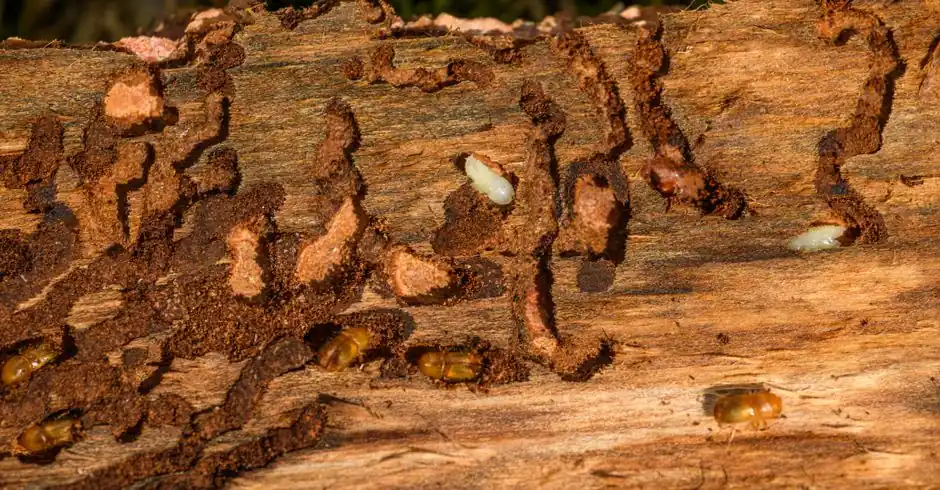
  • Termite inspection and treatment โ€” Congress foundations sit in irrigated soil that keeps subterranean termites active most of the year. We inspect with termite detection devices and thermal imaging cameras, then treat with a labeled termiticide barrier or bait system. We also flag any wood-to-ground contact that needs correcting.
  • Seasonal scorpion and mosquito service โ€” Summer in Congress means scorpions and mosquitoes. We run blacklight inspections for scorpions, treat the harborage points, and manage mosquito breeding sites through the monsoon months. This service runs alongside your regular plan so the summer pests do not get a head start.
Commercial pest control

Commercial pest control in Congress

Congress businesses do not have the luxury of closing for a pest problem. Whether you run a restaurant, a retail shop, an office or a storage yard, a pest sighting costs you customers and can cost you a health inspection. We build commercial programs that hold up to scrutiny and run around your hours. If you need pest control for a business in Congress that will not disrupt your operation, we schedule before opening or after close and document every visit.

Restaurants and food serviceRetail and convenience storesOffices and professional suitesWarehouses and storage yardsProperty management and rentals

Common pest problems in Congress

Congress has a specific pest profile that comes from the high-desert climate, the caliche soil and the mix of older and newer housing. Scorpions, roof rats, termites and ants make up most of our calls. The dry heat keeps some pests out and brings others in, and the monsoon season resets the whole calendar every summer.

Scorpion activity around block walls and weep holes

Bark scorpions are native to this desert and they shelter in block walls, rock landscaping and weep holes during the day. At night they hunt, and that is when they end up inside Congress homes. The dry climate keeps them active most of the year.

Roof rats entering attics through utility chases

Roof rats travel power lines and rooflines, and they enter Congress homes through gaps at the AC chase, the roof line and the garage wall. Once inside, they chew wiring and insulation and reproduce quickly. Cooler fall nights push them indoors.

Subterranean termites in irrigated foundation soil

Caliche soil holds water sideways, and irrigation keeps the soil around Congress foundations damp. Subterranean termites need that moisture, and they stay active almost year-round because the soil never really freezes. Older homes with wood-to-ground contact are at higher risk.

Ant trails following irrigation and food sources

Harvester ants, fire ants and Argentine ants all move through Congress yards, and they follow irrigation lines and food sources into homes. The dry heat pushes them toward water, which is why kitchens and bathrooms get hit first.

Signs you need pest control in Congress

Desert pests do not announce themselves politely. Most of the time the first sign is something small: a dropping in the pantry, a sting in the garage, a trail of ants along the counter. If you are wondering whether it is time to call a pest control professional in Congress, these are the signs that mean yes.

  • Scorpions inside the house or garage

    Scorpions inside a Congress home usually mean an active harborage in the block wall, weep holes or landscaping rock. One sighting is enough to treat, because where there is one there are usually more. This is an urgent call, especially with kids or pets in the house.

  • Scratching or scurrying in the attic at night

    That noise is almost always roof rats or pack rats moving through the attic or wall voids. They chew wiring, contaminate insulation and reproduce fast. The longer they stay, the more entry points they create, so this is a same-week call.

  • Mud tubes or soft wood along the foundation

    Subterranean termites build mud tubes to travel from soil to wood. In Congress, the irrigated soil around foundations keeps them active most of the year. If you see tubes or wood that crumbles when you probe it, get an inspection before the damage spreads.

  • Ant trails that keep coming back

    A recurring ant trail means the colony is nearby and the foragers are finding a food or water source in your home. Spraying the visible line usually splits the colony and makes the problem worse. Baiting and colony-level treatment is the fix.

  • Bites on your arms or legs when you wake up

    Bed bug bites often show up in rows or clusters on exposed skin. If you also see small dark spots on the mattress seams, that is confirmation. Bed bugs need a professional treatment with follow-ups, not a store-bought spray.

Pest control pricing in Congress

Typical 2026 pricing for pest control in Congress runs $95 to $150 for an initial general pest treatment on a standard home, and $75 to $110 per quarterly visit after that. Termite treatments are a bigger job: barrier treatments usually land between $1,200 and $2,800 depending on the linear footage and the foundation type, while bait systems run $900 to $1,800 installed. Rodent exclusion work is priced by the number of entry points and the attic complexity, usually $350 to $900. Emergency calls carry a higher rate because of the after-hours response. We give you the price before we start, and we do not add line items you did not approve.

Basic Service

$89 starting ยท per visit

  • Diagnostic visit
  • Written estimate
  • Same-day scheduling
  • 30-day warranty
Book This Plan

Premium Care

$499 annual plan

  • Two scheduled inspections
  • Priority emergency response
  • Discounted parts and labor
  • 5-year workmanship warranty
Book This Plan
  • Property size and lot type โ€” Acre lots with desert frontage need a wider exterior treatment band and more exclusion work than a standard suburban lot. That adds time and material, which shows up in the price. We measure the perimeter before quoting.
  • Pest species and severity โ€” A single ant trail is a quick service. A termite infestation or a full bed bug treatment is a multi-visit job with follow-ups. The species and how far it has spread drive the labor and the product cost more than anything else.
  • Access and construction type โ€” Crawlspaces, pier-and-beam manufactured homes and tight attics take longer to inspect and treat than a slab home with open access. If we need a second tech or a ladder for a steep roof, that is factored in before we quote.

Navigating Congress and the surrounding area

Congress is small enough that we know the roads by name, but landmarks still help us route efficiently. We use the main highway junction, the historic cemetery and the local school as orientation points when we plan the day. If you are giving directions, tell us the nearest cross street and we will find you. Most of our techs have worked this area long enough to know which roads wash out in monsoon season and which gates need a code.

Congress Cemetery

A well-known local landmark on the north side of town. We use it as a routing reference when scheduling visits to the surrounding residential streets.

Congress Elementary School

A central orientation point for the downtown core. It helps us group nearby service calls so we are not driving back and forth across town.

US Route 93 / SR 89 junction

The main highway junction through Congress. We use it to plan routes toward Wickenburg, Prescott and the surrounding desert communities.

Coverage across Congress & Yavapai County

85332

Plus surrounding Yavapai County neighborhoods, with same-day routing on most appointments.

What Congress customers say

Averaging 4.9 / 5 across verified reviews.

“We had scorpions in the garage every week and I was ready to move. The tech did a blacklight inspection at night and showed me exactly where they were coming in. He treated the block wall and sealed the weep holes. Two weeks later, nothing. I have not seen a scorpion inside since, and we are on the quarterly plan now.”

D

Dana R.

Desert-edge property near Ghost Town Road

“Roof rats in the attic, scratching all night. They found the entry at the AC chase, sealed it with mesh and steel wool, and set traps. Second visit, no more noise. They also cleaned up the mess in the garage, which I did not expect. Fair price and they showed up when they said they would.”

M

Miguel S.

Downtown Congress

“We run a small shop and got hit with a cockroach finding on inspection. They came out the next morning, treated the back room, and set us up on a monthly program with paperwork for the health department. Passed the re-inspection with no issues. They work around our hours, which matters when you cannot close.”

K

Karen T.

Congress commercial strip

Seasonal pest control in Congress

Congress runs on a desert calendar. Fall is when rodents and spiders move in. Winter keeps termites working in the warm soil. Spring brings ants, bees and swarms. Summer is scorpion and mosquito season. If you know what is coming, you can treat for it before it becomes a problem.

Spring

Ant trails, bee swarms and wasp nests show up across Congress as the weather warms. Scorpions become more active at night. This is the season to get ahead of the summer rush with a perimeter treatment and a swarm inspection.

Tip: Book your spring service in March or April. If you see a bee swarm on the eaves, call before it settles into a full colony.

Summer

Scorpion activity peaks, mosquitoes breed in any standing water, and roof rats move through the neighborhood. The heat pushes pests toward shade and water, which means garages, patios and irrigation areas get hit hardest.

Tip: Keep your quarterly service on schedule through summer. Drain or treat any standing water after monsoon storms and keep the garage clutter down.

Fall

Cooler nights push rodents and spiders indoors. Roof rats look for attic entry, and black widows move into garages and woodpiles. This is the most important season for exclusion work in Congress.

Tip: Get an exclusion inspection before the first cold snap. Sealing entry points now prevents the winter rodent problem entirely.

Winter

Termites stay active in the irrigated soil around foundations, and rodents that got inside in fall are now established. Scorpions slow down but do not disappear. Interior service calls stay steady through the winter months.

Tip: Winter is the best time for a termite inspection. The activity is easier to map when the soil is cool, and you have time to plan treatment before spring.

FAQs about pest control in Congress

Real answers from our team for the questions we hear most often before a job starts.

How much does pest control in Congress cost?
Most general pest treatments in Congress run $95 to $150 for the first visit and $75 to $110 per quarterly service after that. Termite barrier treatments usually land between $1,200 and $2,800 depending on the linear footage. Rodent exclusion work runs $350 to $900 based on entry points. We quote the price before we start.
How often should I schedule pest control in Congress?
Quarterly service is the standard for Congress homes because the desert keeps pests active most of the year. Properties on the open desert edge often move to a monthly or bi-monthly schedule during scorpion season. If you have had termites or bed bugs, we set a specific follow-up schedule for that treatment.
Do you handle scorpion control in Congress?
Yes, scorpions are one of our most common calls in Congress. We run a blacklight inspection after dark to find the activity, then treat the block walls, weep holes, garage corners and landscaping rock. We also seal the weep holes with exclusion mesh so they cannot re-enter. Most customers see a sharp drop within two weeks.
What is the best way to keep rodents out of a Congress home?
Exclusion is the answer. We seal the AC chase, roof line, garage wall gaps and plumbing penetrations with exclusion mesh, steel wool and copper mesh, then set snap traps and secured bait stations. Sealing without trapping leaves rodents inside; trapping without sealing means they come back. You need both.
Do you offer emergency pest control in Congress?
Yes. We answer the phone 24/7 and run emergency service for scorpion stings, wasp swarms, rodent intrusions and other urgent calls in Congress. Same-day arrival is the goal on every emergency. Call 877-729-2528 and we will route the nearest available tech to you.

Get pest control in Congress today

If scorpions, rodents or termites are making your Congress property unlivable, call us. We are licensed, insured and running routes through Congress every week. You get an inspection before we quote, upfront pricing before we start, and a treatment plan built for the desert. One call and we will get a tech to your property, usually within the same week and same-day for emergencies. Call 877-729-2528 or book online.

Call Now Send a Message

Contact Arizona Pest Solutions

Call us at 877-729-2528 any time, day or night. We answer live and can usually schedule a same-day or next-day visit for Phoenix, Mesa, Chandler, and the rest of Maricopa County. If you prefer email, send your address and what you are seeing to [email protected] and we will reply within one business hour.

Or call us right now at 877-729-2528 — we answer.

Arizona Pest Solutions


  • Phone

    877-729-2528
  • Address

    Phoenix, Arizona

  • Hours

    Mon–Fri: 7AM – 7PM
    Sat: 8AM – 4PM
    Sun: Emergency Only
    24/7 Emergency Available

Call 877-729-2528 Get Quote
Call Quote